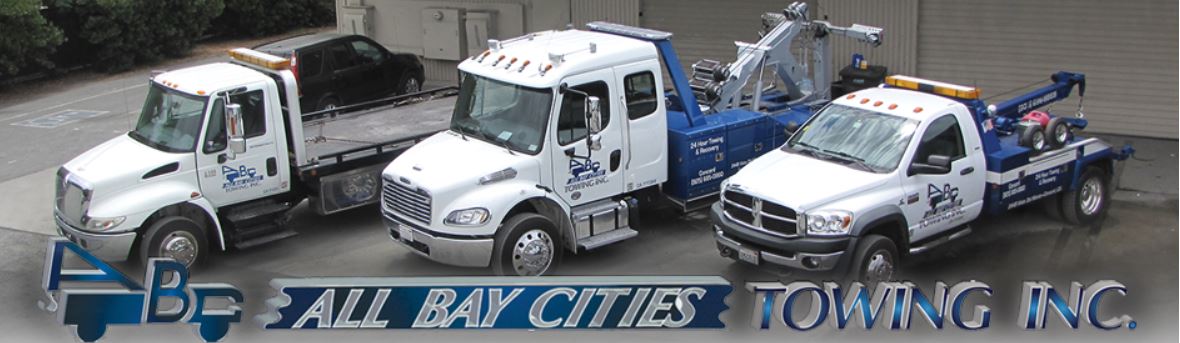
Flatbed Towing vs. Wheel-Lift Towing: Which Car Towing Service Does Your Vehicle Need?
Knowing the difference between flatbed and wheel-lift towing can save your vehicle from unnecessary damage, and this guide covers what each method does, which vehicles need which type, and what local drivers in Walnut Creek, CA, should know before calling a car towing service.
What Is Flatbed Towing?
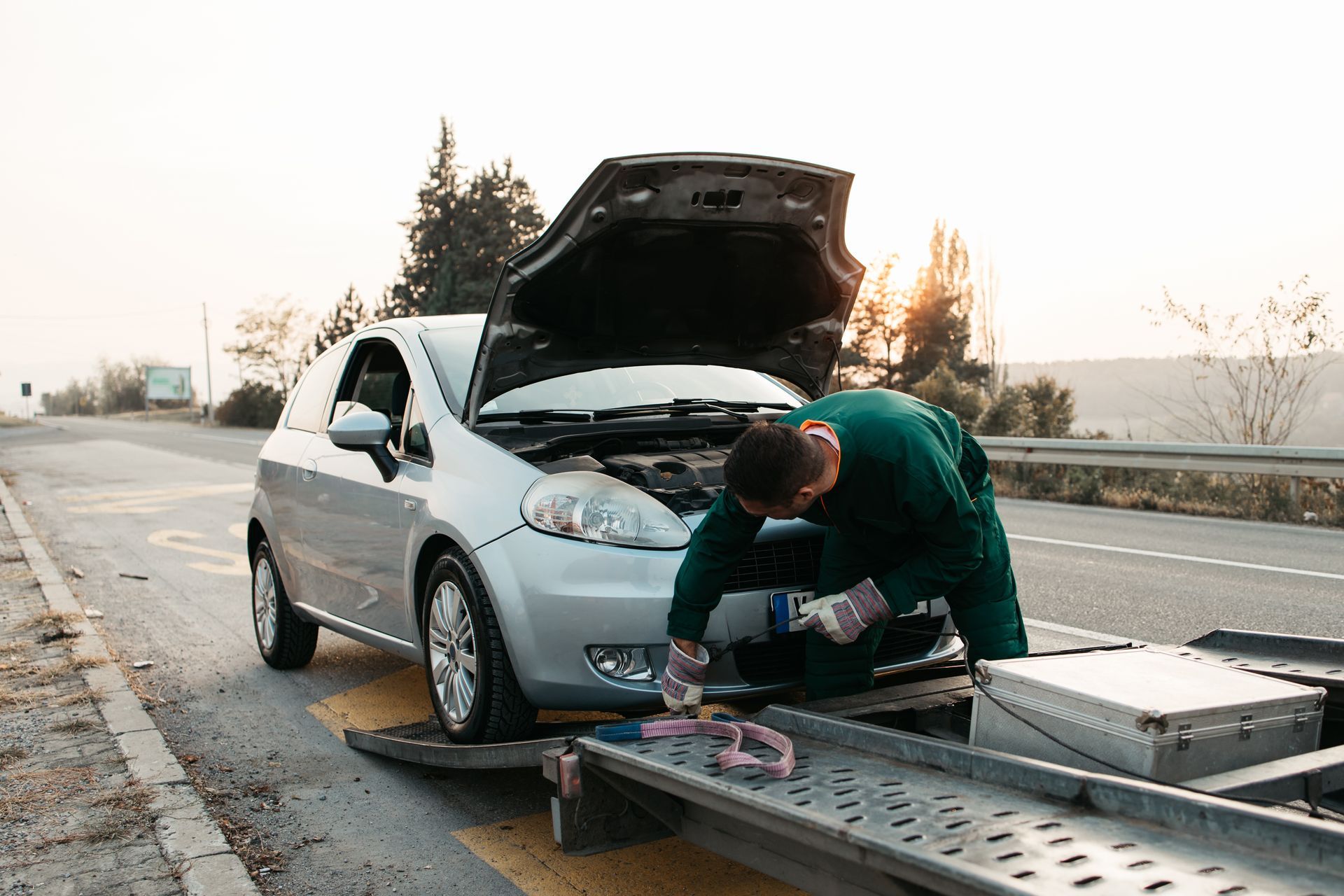
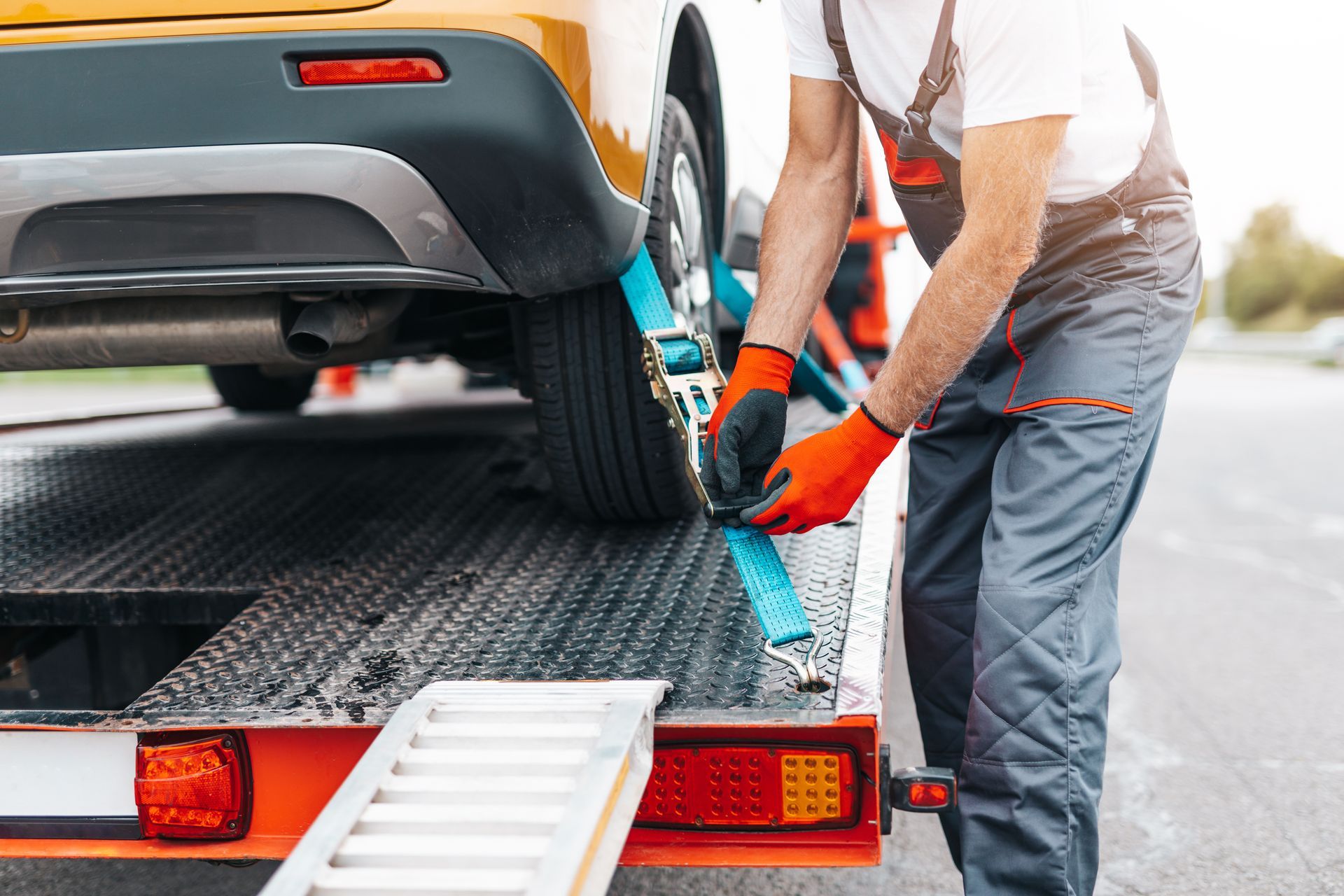
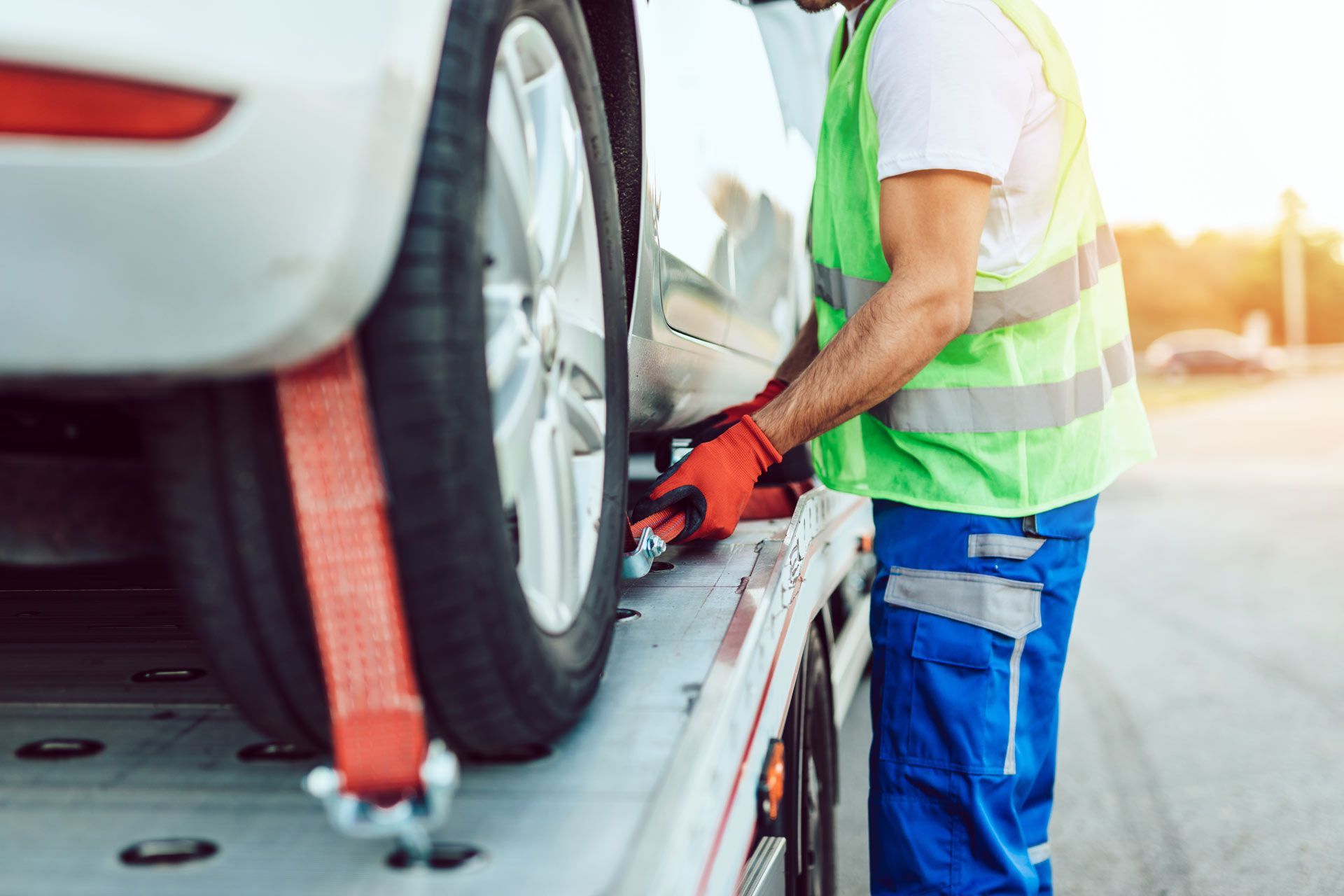
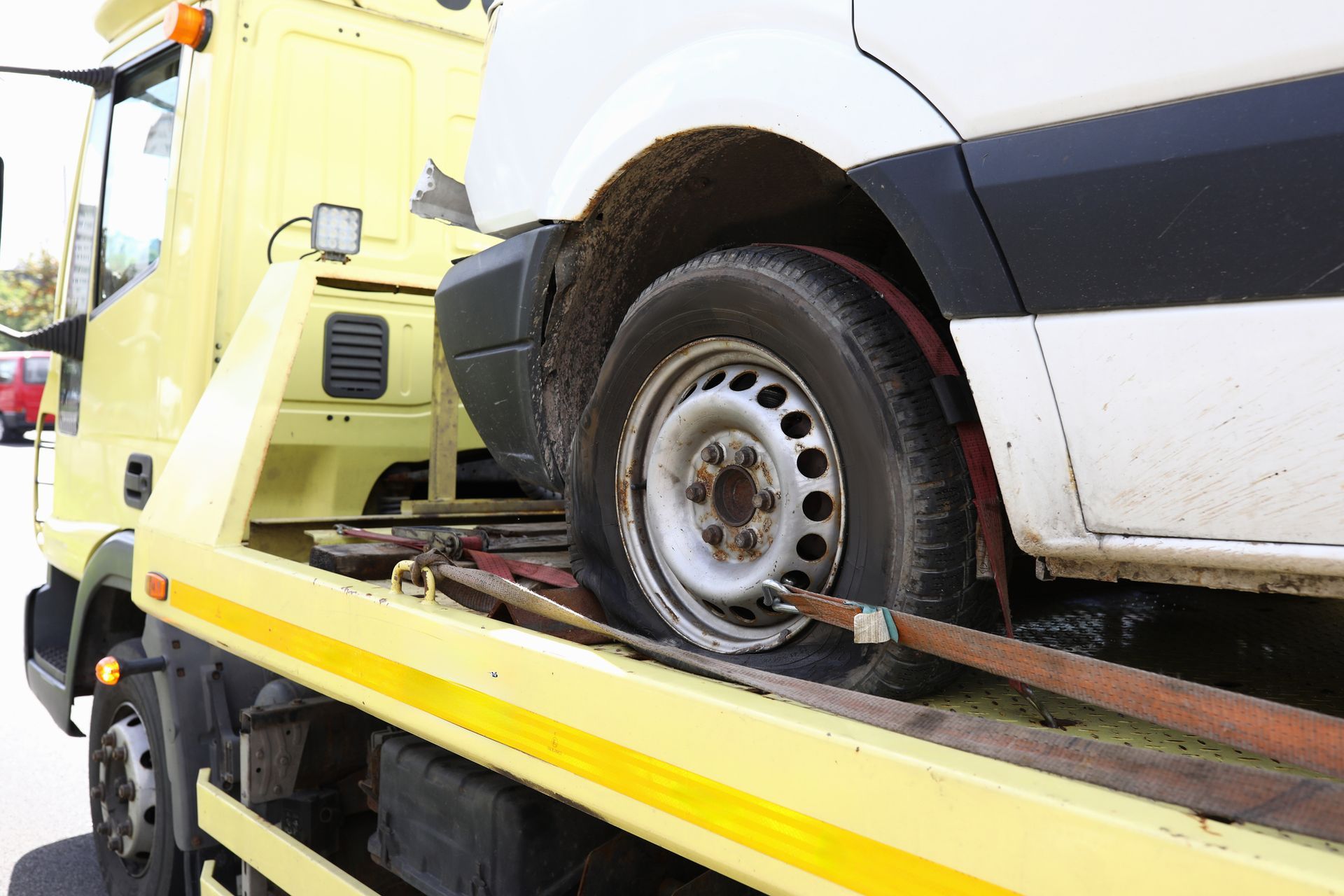
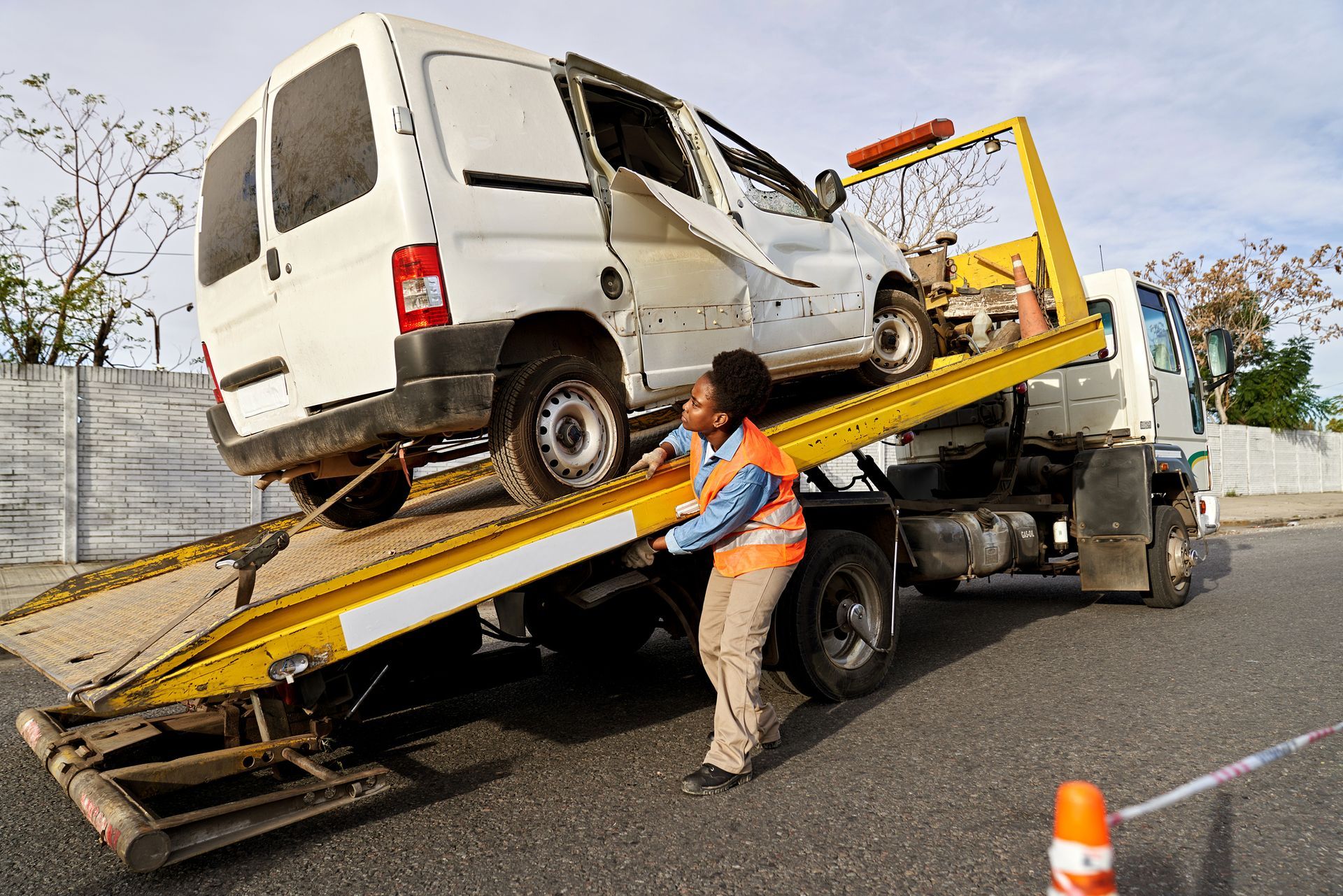
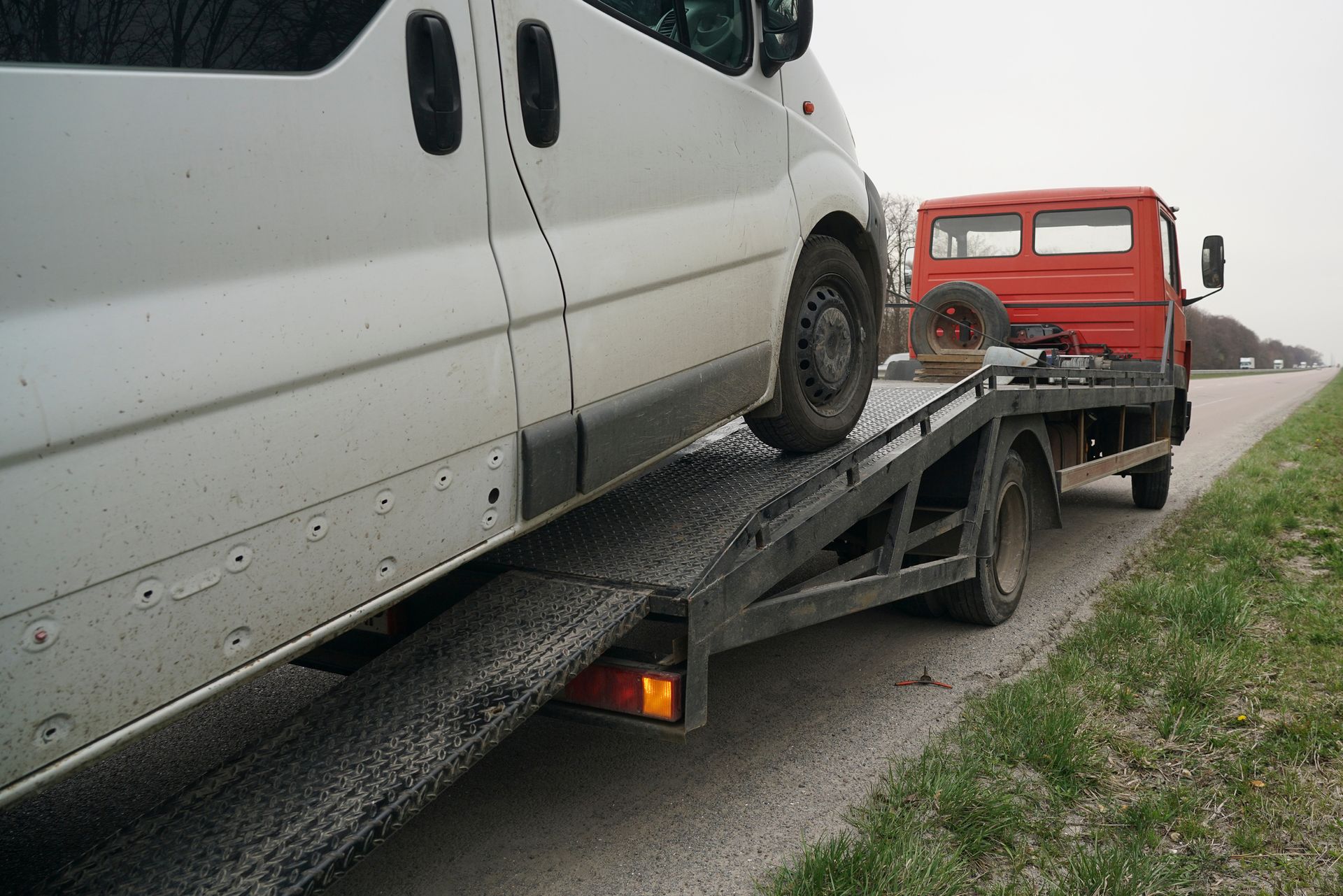
Flatbed towing is often the safest method available for passenger vehicles. A flatbed truck uses a long, flat platform that tilts or slides to load the vehicle entirely off the ground. All four wheels leave the pavement, and the car rides securely on the bed from pickup to destination.
This method may be the right choice for:
- All-wheel drive (AWD) and four-wheel drive (4WD) vehicles, where spinning any wheels while towing can cause transmission or transfer case damage.
- Low-clearance sports cars and luxury sedans that could scrape during a standard hook-up.
- Inoperable vehicles with locked wheels, severe collision damage, or missing tires.
- Classic and collector cars where road contact must be completely eliminated.
Drivers along I-680 near Walnut Creek, CA, who experience a sudden breakdown on the freeway often find flatbed service particularly valuable. A flatbed truck can safely load a disabled vehicle from a narrow highway shoulder without the front or rear dragging on the asphalt.
What Is Wheel-Lift Towing?
Wheel-lift towing lifts only the drive wheels off the ground while the other axle remains in contact with the road. A metal yoke slides under either the front or rear tires, and a hydraulic arm raises that end of the vehicle.
This method can work well for:
- Standard front-wheel drive (FWD) vehicles where the rear wheels are non-driven and can roll freely.
- Rear-wheel drive (RWD) vehicles towed from the front axle.
- Short-distance moves, such as clearing a parking lot or moving a vehicle a few blocks.
- Situations where road access is tight and a full flatbed platform cannot maneuver into position.
Wheel-lift service is typically faster to deploy, which can matter when a vehicle is blocking traffic on a busy Walnut Creek street like Ygnacio Valley Road or South Broadway.
Which Method Does Your Vehicle Actually Need?
The right car towing service method depends on your specific vehicle type. AWD and 4WD vehicles should almost always be flatbedded. Towing them with two wheels on the ground can force power through a drivetrain that is not designed to spin freely, and the resulting damage can be costly. This applies to common local vehicles like full-size SUVs, crossovers, and trucks that navigate the hills of the Acalanes Ridge area and the steeper neighborhood streets above Highway 24.
FWD sedans and hatchbacks can often be safely wheel-lifted from the rear, since the rear wheels are unpowered and roll freely. However, if the vehicle has been in a collision or has structural damage, flatbed towing is the safer choice regardless of the drivetrain.
Luxury, low-profile, or modified vehicles generally benefit from flatbed towing as well. The approach angle on wheel-lift trucks can catch bumpers or body kits, especially on vehicles lowered for performance or aesthetics.
If you are unsure which method your car needs, ask the dispatcher when you call. A knowledgeable provider offering car towing service in Walnut Creek, CA, will ask about your vehicle's make, model, drive type, and current condition before sending the right truck.
Local Conditions That Influence the Choice
Walnut Creek, CA, presents a mix of towing environments that are worth understanding. The city sits at the base of the Mount Diablo foothills, and many residential neighborhoods climb significant grades. Streets in areas like Northgate and the Shell Ridge Open Space boundary roads can be narrow and steep, which may limit the approach of a large flatbed.
Conversely, freeway breakdowns on I-680 and SR-24 often call for the added stability of a flatbed, especially during peak commute hours when disabled vehicles sit partially in travel lanes. The ability to fully load and secure a vehicle quickly can reduce exposure time on a fast-moving freeway. Local weather also plays a minor role. During winter rain events, wet pavement on hillside streets can make wheel-lift operations slightly riskier if the remaining wheels lose traction during loading.
Does AWD or 4WD Always Require a Flatbed?
In almost every case, yes. Towing an AWD or 4WD vehicle with only two wheels lifted can damage the differential, transfer case, or transmission. Flatbed towing, which lifts all four wheels, eliminates that risk entirely. Always confirm your vehicle's drivetrain with the towing dispatcher.
Can Wheel-Lift Towing Damage My Car?
It can, if the wrong axle is lifted or if the vehicle has a drivetrain that requires all wheels off the ground. For compatible vehicles towed by experienced technicians, wheel-lift service is generally safe for short distances.
How Do I Know Which Service to Request?
Check your owner's manual first. Many manufacturers include a towing instruction section that specifies flatbed-only requirements. If the manual is unavailable, provide your make, model, drive type, and whether the vehicle is operable when you call for service.
Get the Right Tow for Your Vehicle in Walnut Creek
Choosing the correct towing method is one of the most important decisions you can make in a roadside emergency. The wrong choice can turn a minor breakdown into a major repair bill.
ABC Towing serves the Walnut Creek, CA, area with professional car towing service and the equipment to handle both flatbed and wheel-lift situations. The team is available 24 hours a day, 7 days a week. Call (925) 685-0860 for immediate dispatch, visit the contact page to request service online, or learn more about available options on the emergency towing service page. Do not guess when your vehicle's drivetrain is on the line. Call a team that can recommend the right method from the start.